What Do Room Addition Contractors Plan For in Hayward?
- Recent Blogs
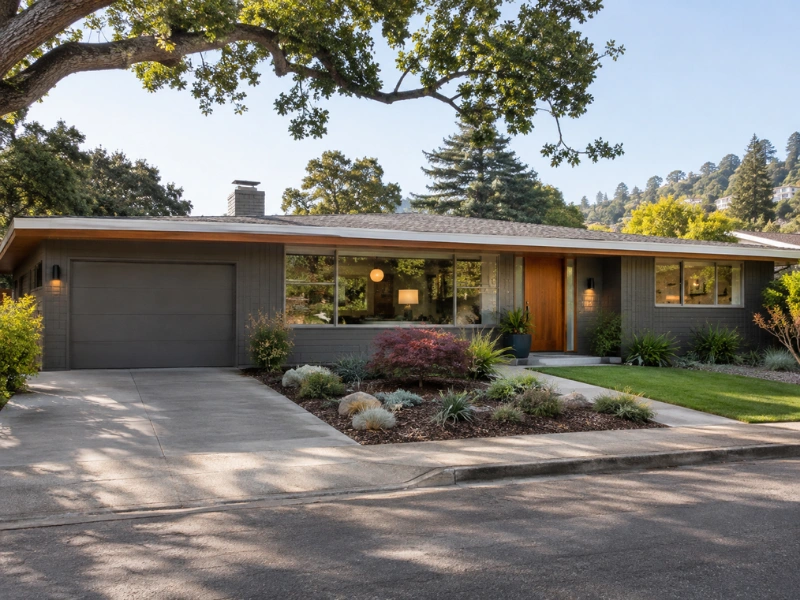
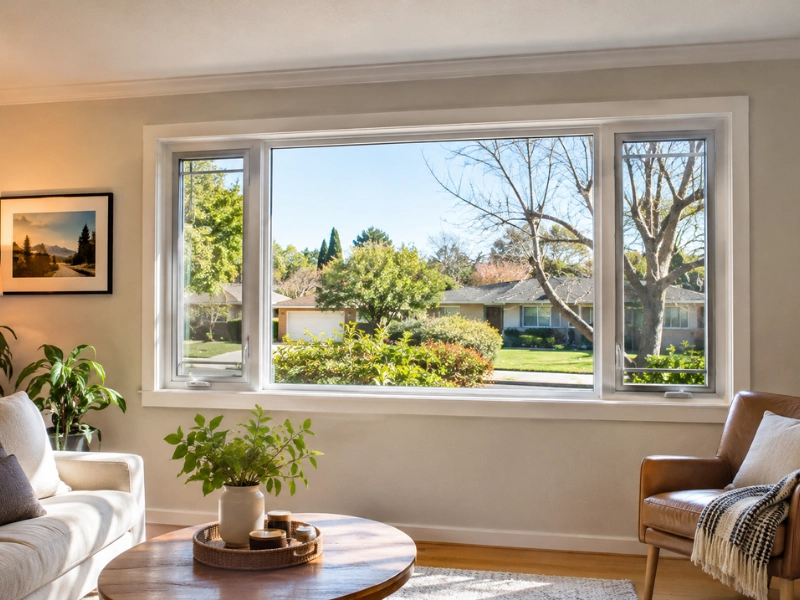
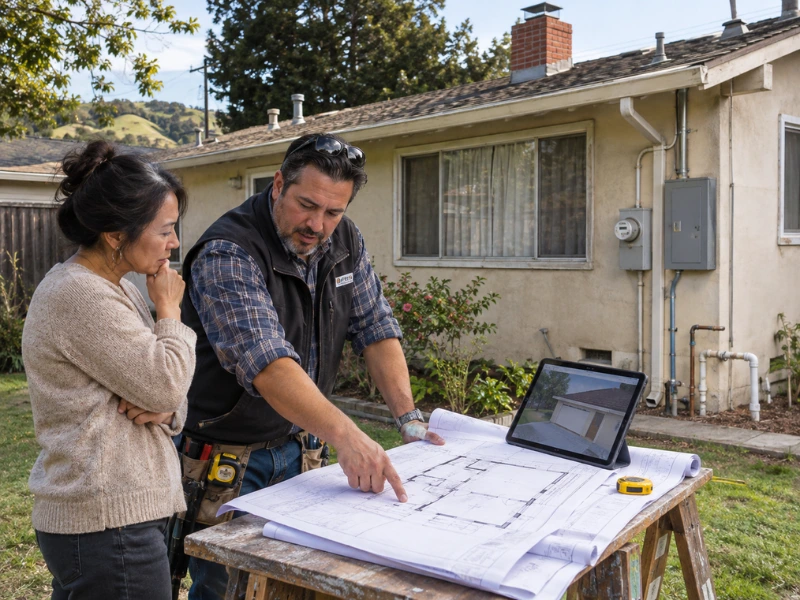
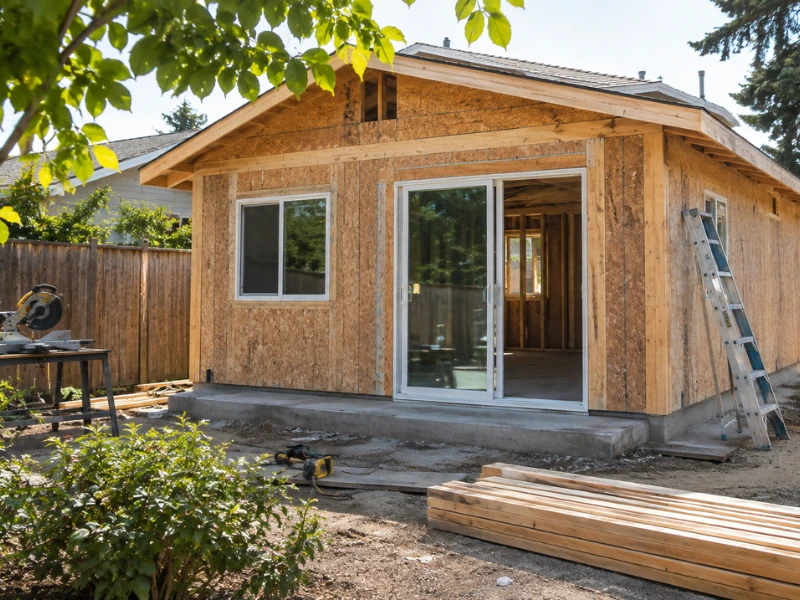
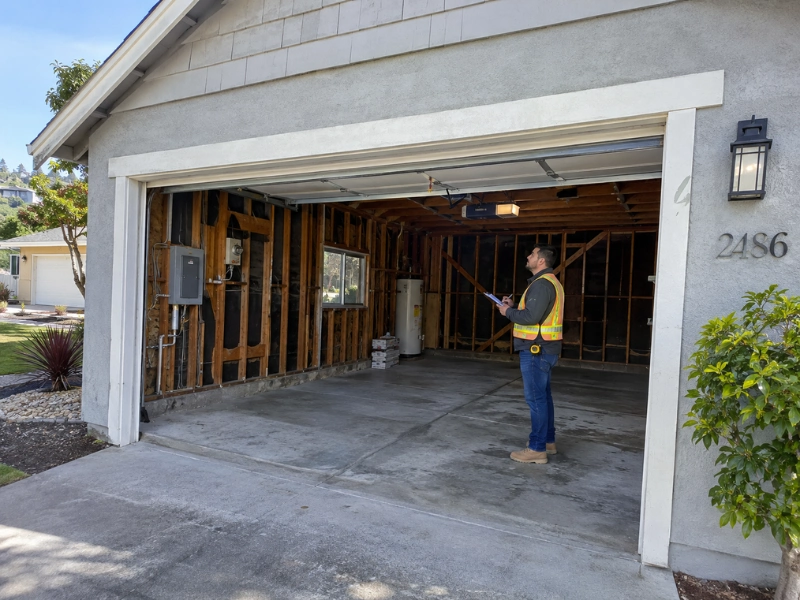
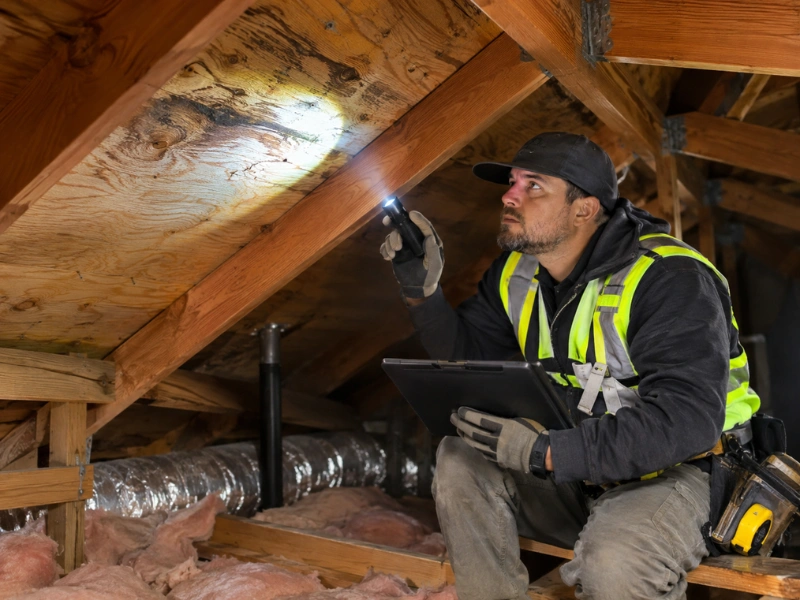
Room addition contractors in Hayward will consider how the new addition will connect to the postwar house, how well it will stand up against the Hayward Fault and if the current roof, panel and plumbing can support the added weight. Construction Remodeling in Bay Area works through all three at the first visit, so the design fits the house it’s joining.
By Ray, Owner & General Contractor · Last updated November 6, 2026
What kinds of additions fit Hayward’s postwar houses?
Most homes in Hayward were built during the post-war decades of the 1950s and 1960s. This means most additions will fit a single story ranch style on small lots in areas such as Tennyson, Schafer Park and Harder-Tennyson.
Here’s how the common addition types line up against those houses:
Addition type | What it adds | Fits Hayward homes like |
Rear room addition | A bedroom, family room or primary suite off the back | Ranch homes with a deep backyard |
Bump-out | A few feet added to a kitchen, bath or bedroom wall | Tight lots where a full room won’t fit |
Second story | A full floor above the existing house | Narrow lots with no yard to spare |
In-law suite | A bedroom and bath with its own entry, attached to the house | Multigenerational households |
Small utility addition | Laundry, mudroom or a half bath | Homes short on everyday space |
Raised floors versus slabs. Many older Hayward ranches sit on a raised wood floor over a crawlspace, while some later homes sit on a concrete slab. Matching the floor level means that the type of foundation will dictate how the new floor abuts to the existing floor at the doorway.
Roofline is the hidden design problem. The low pitch on a ranch roof won’t allow you much space to tie in a new section without a flat area to collect water. The roof tie-in is done first as it will determine what your addition will look like from the street.
Our room addition service page covers each addition type in more detail.
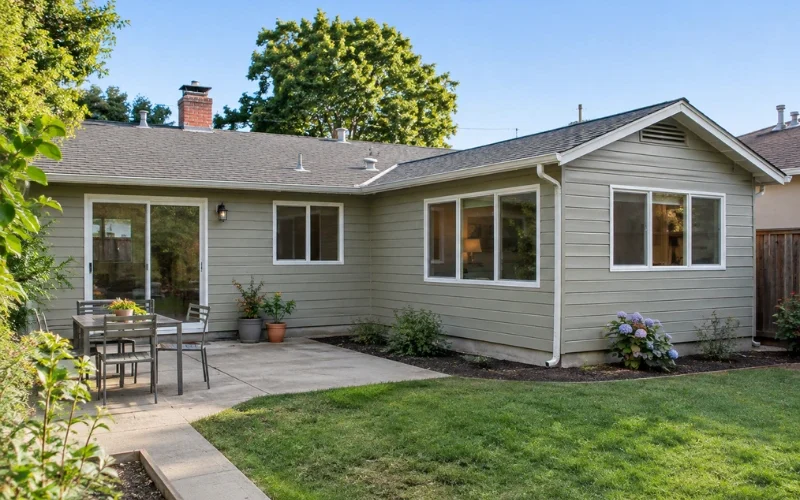
How does the Hayward Fault change an addition’s design?
The Hayward Fault runs right through the city, and every addition here gets designed with that in mind. According to the USGS, the Hayward Fault produced a magnitude 6.8 earthquake in 1868, and its large quakes have come at intervals averaging about 150 years.
The addition and the house have to move together. A new room added onto an existing house will only be as strong as the attachment between the building and the new structure. Our structural engineer will explain how the new foundations, walls and roof connect to the existing frame.
New work gets modern bracing. The addition itself gets anchor bolts, hold-downs and shear walls sized by the engineer. That’s standard for new construction in California and matters even more this close to an active fault.
Opening walls is the right time to check the rest. When we open the existing house to connect the addition, we look at whether it’s bolted to its foundation and whether the crawlspace cripple walls are braced. If not, adding that work while the house is open costs far less than coming back later.
Second floors load the old foundation. Another situation is when extra load is added to footings that have been sized for a single storey. The engineer will look at if they are able to support this extra load. Reinforcement is common to 1950s homes.
What does a room addition contractor in Hayward handle from design to finish?
A room addition contractor Hayward homeowners hire should own the whole sequence, from measuring the house to matching the last piece of trim. Here’s how that sequence runs.
Measure the house as it stands. From this we can create accurate drawings of the existing house including any roof trusses, consumer unit and pipework.
Design and engineering. The architect/designer will design the new addition. A structural engineer will calculate the size of foundations, beams and bracing. As additions fall under California Energy Codes we will also calculate the correct amount of insulation, windows and heating.
Check the systems the addition will lean on. Additional lighting, power points and sometimes a mini split/ac. Older Hayward homes have a 100amp panel which will soon run out of space so we check the panel and will plan to upgrade if required.
Build outside the envelope first. We build the base frame and roofing while keeping the existing walls closed up. We then open up the junction, connect the roof, floor and services and then close it up as quickly as possible.
Match the finishes. Siding, roofing, flooring and trim on the addition should look like they were always there. We source matching materials early, because some older siding profiles take time to find.
What should you check before hiring an addition contractor in Hayward?
Look for a licensed general contractor who has built additions, works with a structural engineer and can show you finished work. Homeowners searching for the best room addition contractor near Hayward are really asking who can carry a project from bare lot to final inspection without handing it off.
When people ask who builds home additions in Hayward, these are the checks we’d make on anyone, including us:
- License. Look up the contractor on the CSLB’s license check and confirm the license is active, with workers’ comp on file.
- Addition experience. Ask for photos of additions, not just kitchens. Tie-ins to an existing roof and floor are a different skill.
- Engineering relationship. Ask who does the structural design and whether they’ve worked together before.
- A written, itemized quote. Foundation, framing, roofing, electrical, plumbing and finishes should each have their own line.
A home addition and extension builder Hayward homeowners can trust will also tell you when an addition isn’t the right answer. Sometimes a garage conversion or an ADU gives you the space for less.
Where is the cheaper addition the worse buy?
A lower addition quote can push the cost into the connection you’ll live with for decades. These are the trades we see go wrong:
- No structural engineer. It saves a design fee. Then the tie-in cracks, or the plans come back from review needing an engineer anyway.
- Roof tie-in left to the framer on site. It skips a drawing. Instead, a flat spot forms where the roofs meet and leaks every winter.
- No panel check. The quote looks lower. Meanwhile, the new suite trips breakers the first week.
- Mismatched siding and trim. Standard materials cost less. However, the addition looks bolted on from the street, which hurts resale.
Where cheaper wins. A small bump-out that extends one wall a few feet, with no new plumbing, avoids most of these costs. If that gives you the room you need, start there.
Which red flags should you avoid when hiring room addition contractors?
Watch for these before you sign:
- A price per square foot with no visit to the house.
- No structural engineer named on the project.
- No plan for how the new roof meets the old one.
- No mention of the electrical panel in an older home.
- A license you can’t find on the CSLB lookup.
- A request for a large deposit before plans are drawn.
Our Hayward remodeling page covers everything else we build in the city, and our post on whether a home addition is worth it in Castro Valley walks through the numbers. We also build additions in Castro Valley, San Leandro and Union City.
Frequently asked questions
1. How much does a room addition cost in Hayward?
A one story addition in Hayward will cost you about $400 to $650 per square footage in 2026. A two story addition will run you between $500 to $800 or more. So if you are asking how much does it cost to add a room, for example adding a 400 sq ft bedroom and bathroom, your total cost would be between $180,000 and $280,000. You should also consider design, engineering and permitting costs when figuring out how much does a room addition cost.
2. Is an addition cheaper than moving to a bigger house?
An addition is cheaper when you like your neighborhood and only need one or two more rooms. The answer to is an addition cheaper than moving house comes from comparing the addition cost against selling costs, moving costs and the price gap to a bigger home in the same area. If you need a larger lot, a different school district or several more rooms, moving can come out ahead.
3. What approvals are needed before an addition can start?
An addition needs a building permit from the City of Hayward, with architectural plans, structural engineering and energy calculations. Plan review takes several weeks, and additions that change the house’s footprint or height are checked against zoning setbacks and height limits. We prepare the drawings, submit them, answer plan-check comments and schedule every inspection.
4. Can you build up as well as out on a small lot?
Yes. A second story and bump out addition Hayward homeowners combine can add space without giving up the backyard, as long as the foundation can carry the new floor. For anyone asking which contractor near me handles second story additions, look for one with a structural engineer on the team, because the existing footings and walls almost always need reinforcement.
5. How do you protect the rest of the house during construction?
We build the addition outside the existing walls first, so the house stays closed for most of the project. When we open the connection, dust walls and floor protection go up, and the roof tie-in is scheduled for dry weather. Utilities go off only for short, planned windows.
Visit or Call Us
Construction Remodeling in Bay Area
Address: 111 Jackson St, Hayward, CA 94544
Phone: (510) 990-9243
Email: constructionremodelinginbay@gmail.com
Licensed general contractor serving the Bay Area since 2015 (CSLB #1095283)
Serving Hayward, Castro Valley, San Leandro, Fremont, Union City and the greater Bay Area. Call for a free estimate, or use our contact page to book a visit.