How Does a Garage Conversion in Castro Valley Work?
- Recent Blogs
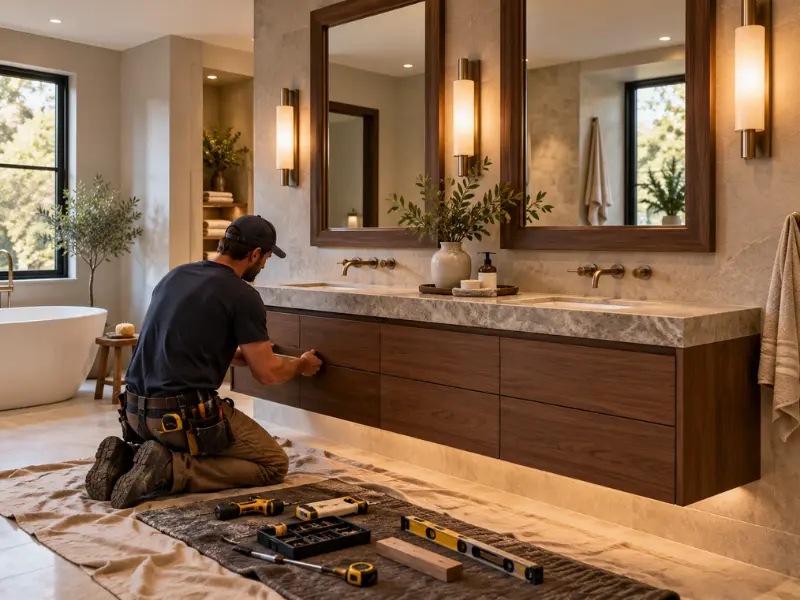
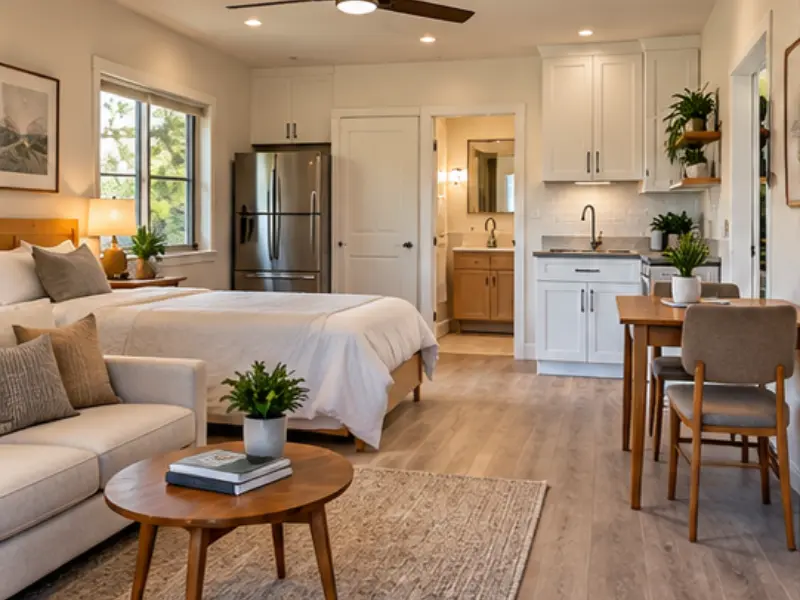
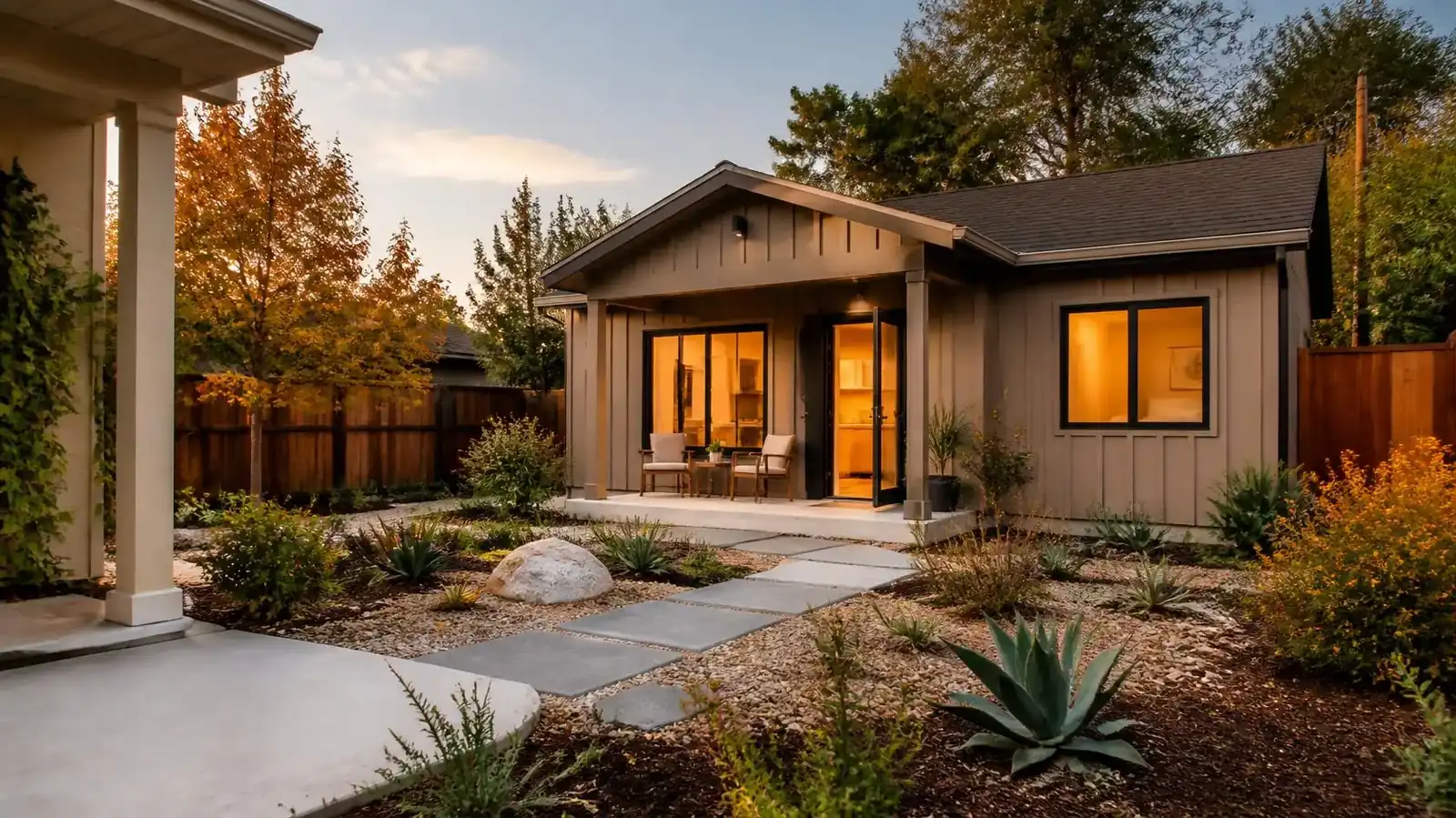
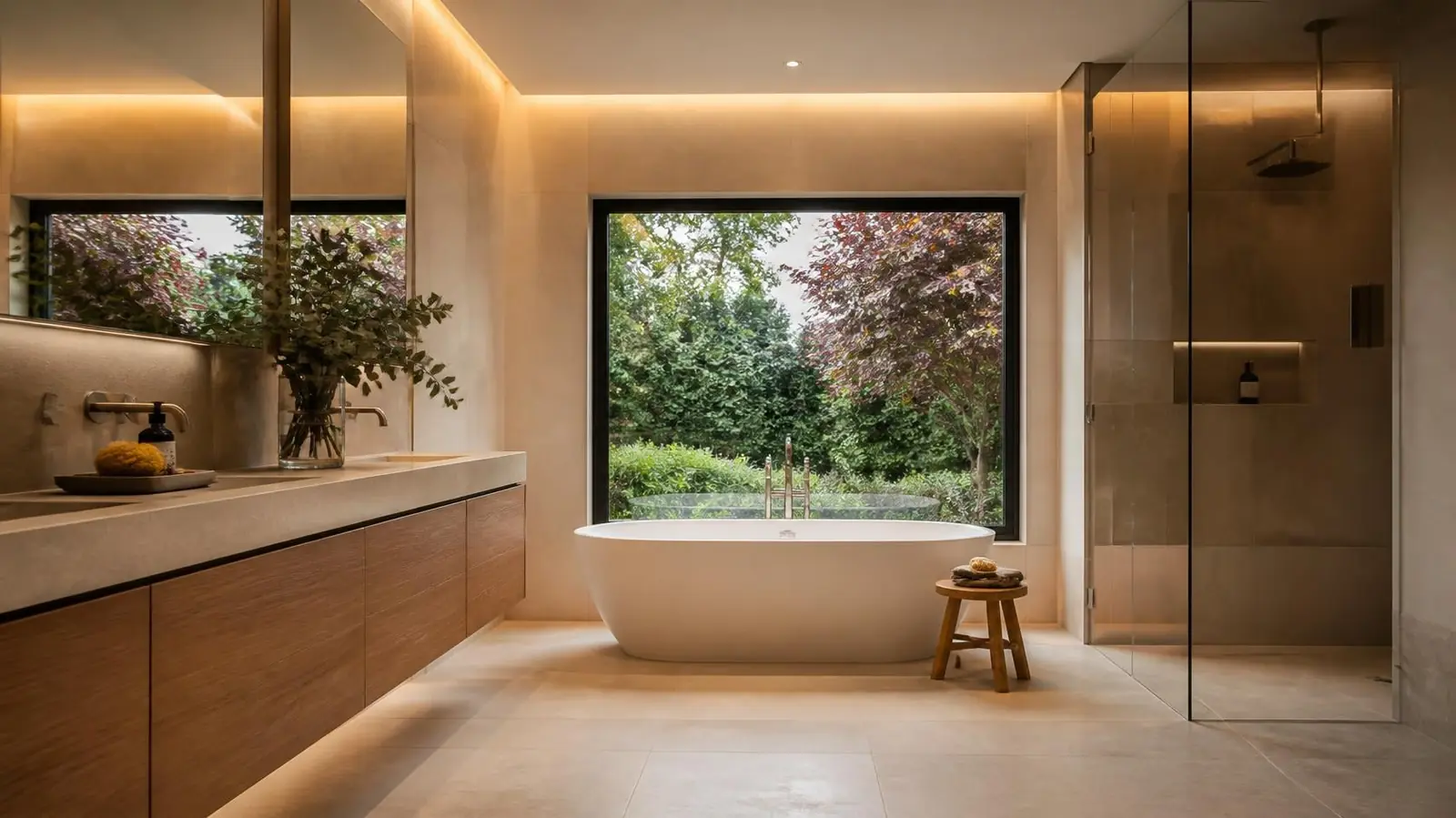
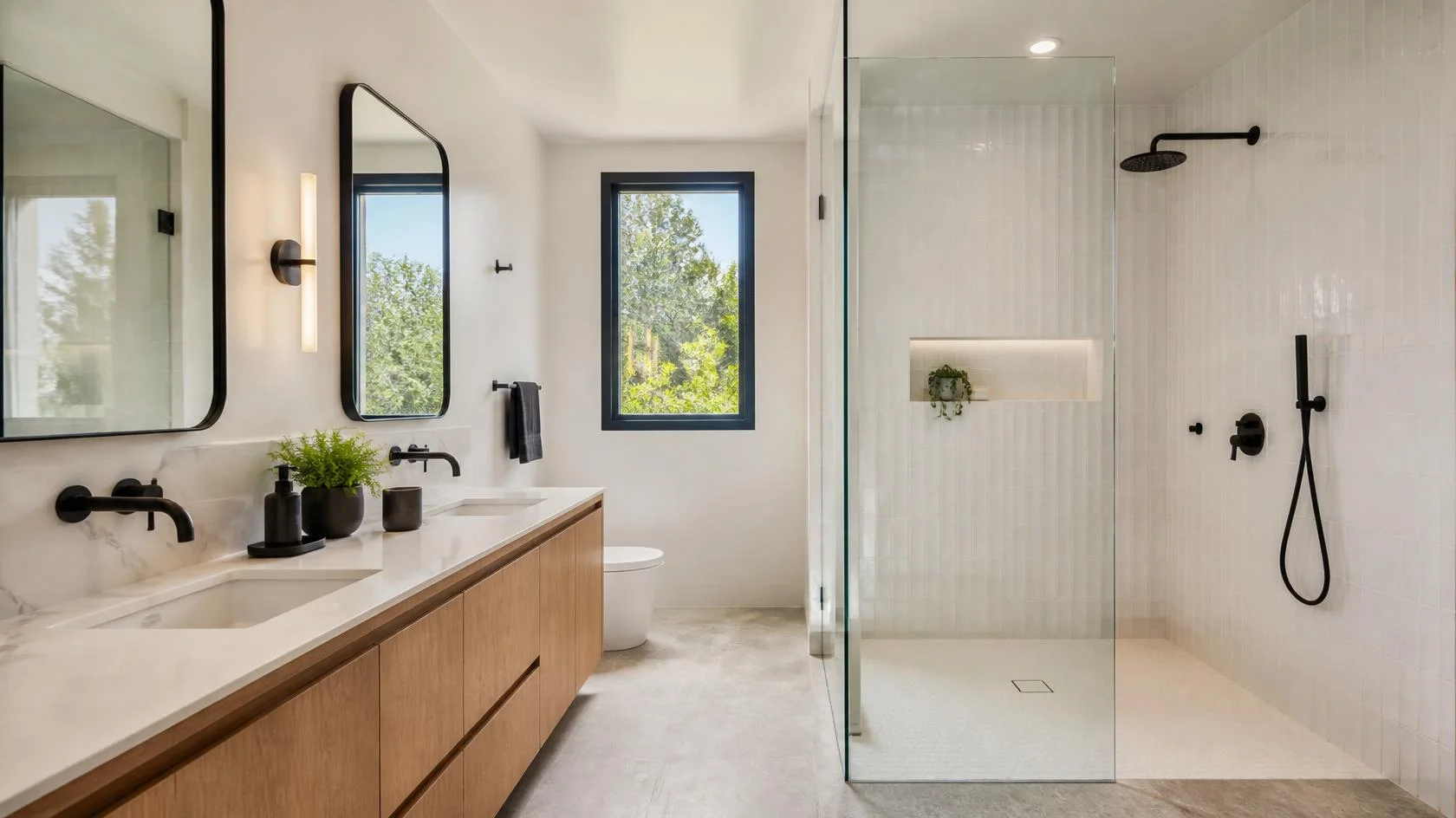
A garage conversion in Castro Valley works in four stages: we check that the garage is sound, decide whether it becomes an ADU or plain living space, get the County’s approval, then build it out and pass inspection. Construction Remodeling in Bay Area (CRBA) has converted garages across the East Bay from its Hayward office since 2015.
Castro Valley isn’t a city, so the County makes the call, and the rules change depending on what the garage becomes. Here’s what a conversion involves, how state ADU law fits in, what it means for resale, and how to pick who does the work.
By Ray Evgeny Khaikin, Owner & General Contractor · Last updated 7 October 2026
What Does a Garage Conversion in Castro Valley Actually Involve?
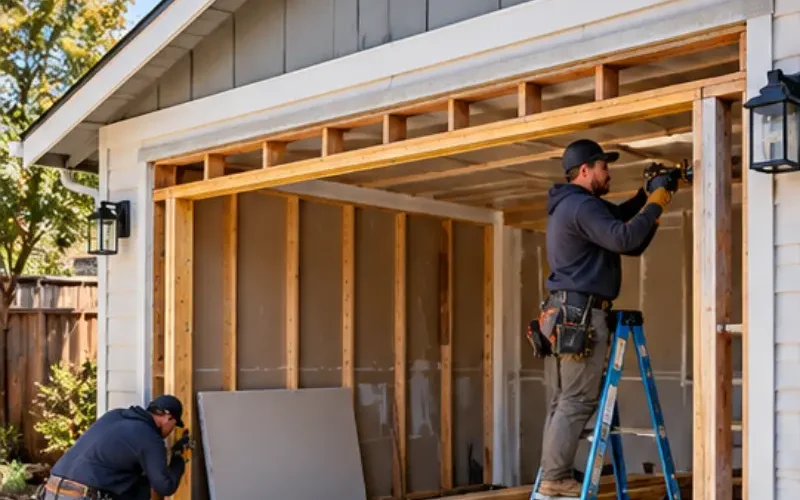
A garage isn’t built like the rest of your house. It has a wide opening where the door sits, a slab poured for cars instead of living, and usually no heating, no finished walls and few outlets. Turning it into a room means rebuilding those pieces, and the first job is finding out how sound the shell really is.
|
Garage feature |
What changes in a conversion |
|
Garage door opening |
It’s framed in as a wall, with a window or door where the plan calls for one |
|
Slab floor |
We check it for level and moisture, then add a moisture barrier and flooring if needed |
|
Roof and framing |
We confirm they can carry a habitable room, and reinforce them if not |
|
Electrical and plumbing |
New circuits and outlets, plus plumbing only if the space gets a bath or kitchen |
|
Wall to the house |
Upgraded where code calls for fire separation |
|
Hillside lots |
Slopes can bring a soils report, an engineered foundation and drainage work |
Our garage conversion service page covers what we build, from a bedroom or home office to a full ADU.
Can a Garage to Living Space Conversion in Castro Valley Become a Legal ADU?
Often, yes. Is a garage conversion a good route to an ADU? For many homes it’s the most direct one, because the walls, roof and slab already exist. According to the state ADU law summary from the Association of Bay Area Governments, a conversion ADU made from existing space in a single-family home, including an attached garage, must be reviewed ministerially, with a decision due within 60 days of a complete application. It needs its own exterior access, and its setbacks only have to be enough for fire and safety.
The garage still has to meet building and safety codes. People also ask whether a garage conversion is cheaper than building an ADU from scratch. Because the foundation, walls and roof are already there, it usually is. Our accessory dwelling unit page lays out the detached and attached options too.
What Is the Difference Between a Studio and a Suite in a Garage Conversion in Castro Valley?
A garage conversion into a studio or suite comes down to plumbing. The terms overlap, so here’s how we use them:
- A studio or home office: one open room, and the simplest conversion
- A bedroom or in-law suite: a bedroom plus a bathroom, often with a small kitchenette
- A full ADU: a complete home with its own kitchen, bath, entry and utilities
- A junior ADU: a unit of no more than 500 square feet inside a single-family home, which can include an attached garage
Each step up adds plumbing, electrical and inspection work. So we ask what you want to use the space for before we draw anything. If a studio meets your goal, there’s no reason to build an ADU, and we’ll say so.
Which Rules Apply in Castro Valley: State ADU Law or the County’s Garage Ordinance?
Both can matter. Castro Valley is unincorporated Alameda County, so building permits come from the County’s Building Inspection Department, and County Planning reviews the design side. Our Castro Valley page explains how county permits work for remodels here.
If the garage becomes an ADU, state law governs much of the review, as above. If it becomes ordinary living space, the County’s own garage rule applies. Alameda County’s Section 17.52.955 sets the conditions for converting a garage to a non-garage use, and a May 2026 County staff report on a Castro Valley project shows it applied through a Site Development Review. We confirm which path your garage falls under before plans get drawn, because it changes what you have to provide.
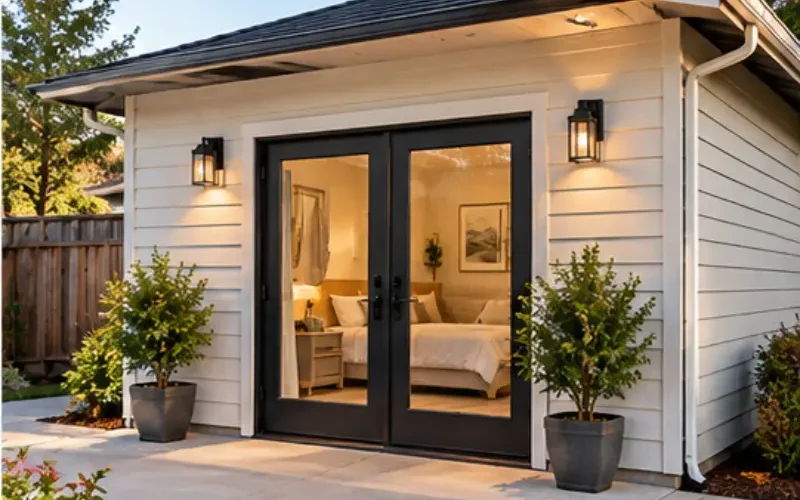
Do You Lose Value by Converting the Garage?
Do you lose value by converting the garage? It depends on what you gain and whether the work is permitted. Appraisers count permitted square footage, and a garage ADU can add rental income potential on top. Unpermitted conversions work the other way. Buyers and lenders tend to discount space that doesn’t legally exist, and it often surfaces during a sale or refinance.
The trade-off is real, though. You give up a garage, and some buyers want one. If resale is your main goal, tell us and we’ll talk it through honestly. If you’d rather keep parking, a partial conversion keeps one bay. And if you’re weighing a bigger project, our post on whether a home addition is worth it in Castro Valley covers that side.
How Do You Pick Who Converts a Garage in Castro Valley?
If you’re asking who converts garages in Castro Valley, or which contractor near me turns a garage into living space, start with what the contractor will actually handle. A conversion is plans, permits, structure, utilities and inspections, and the space only counts once it’s signed off. Look for a California contractor license you can verify (CRBA’s is CSLB #1095283), a written itemized quote with the utility work shown, and a contractor who manages the County permits through the final inspection. It also helps if they’ll tell you when a simpler conversion fits your goal better than an ADU.
CRBA backs its workmanship with a 10-year warranty, and the estimate is free and in writing.
Where Do We Convert Garages Around Castro Valley?
We work across the East Bay from our Hayward office, serving Castro Valley alongside Hayward, San Leandro, Fremont and Union City.
Frequently Asked Questions
1. How much does a garage conversion cost in Castro Valley?
It depends on what the garage becomes. A finished room without plumbing is a different project from a full ADU with a kitchen and bath. Five things move it: whether it’s an ADU or plain living space, how far the plumbing must run to the sewer and water lines, the condition of the slab and framing, any hillside engineering, and the plans, permits and county fees. After a free visit, you get a written, itemized quote.
2. Is converting the garage cheaper than building a detached unit?
Usually, because the foundation, walls and roof already exist and nothing new goes on your yard. A detached unit needs a new foundation and utility trenching. Three things can narrow the gap: a slab or roof that needs repair, plumbing a long way from the sewer line, and a hillside lot that needs engineering. We’ll compare both for your lot and tell you which fits.
3. What happens to parking and storage if we lose the garage?
It depends on the path. Under state law, an ADU made from a garage doesn’t have to provide replacement parking, though a junior ADU in an attached garage can be treated differently. For a conversion to ordinary living space, Alameda County’s garage rule asks for one-to-one replacement parking, which can be a paved open space, a carport or a new garage, plus at least 800 cubic feet of enclosed storage on the property. If you’d rather keep a bay, a partial conversion keeps one for parking or storage.
4. Does a garage conversion need insulation, heating and proper windows?
Yes. Garages are built uninsulated and unconditioned, so a code-compliant conversion adds wall and ceiling insulation, often slab insulation too, and a heating and cooling system. We often use a ductless mini-split, which doesn’t overload the house’s existing system. Bedrooms need egress windows that meet code, and the work also has to meet ceiling height, fire separation and Title 24 energy requirements.
5. What approvals are involved for a conversion here?
Castro Valley’s permits come from Alameda County, not a city. The County’s Building Inspection Department issues the building, electrical, plumbing and mechanical permits, and the plans include Title 24 energy compliance. County Planning review can apply too, such as a Site Development Review for a conversion to living space. If the garage becomes an ADU, state law requires a decision within 60 days of a complete application.
Ready to Convert Your Castro Valley Garage?
The best next step is a walk through the garage, because a plan only means something once someone has seen the slab, the framing and where the plumbing sits. Tell us what you want the space to become, and we’ll put the scope, the utilities and the path through the County in writing. CRBA, 111 Jackson St, Hayward, CA 94544, CSLB license #1095283, serves Castro Valley and the East Bay, and you can request a free estimate or call (510) 990-9243.